
When an old, damaged, unwanted, or end-of-life vehicle is taking up valuable space, finding the right disposal method can be difficult. Many vehicle owners consider selling privately, trading in their car, or simply leaving it unused. However, car wreckers offer a practical option that can make vehicle disposal easier, safer, and more environmentally responsible.
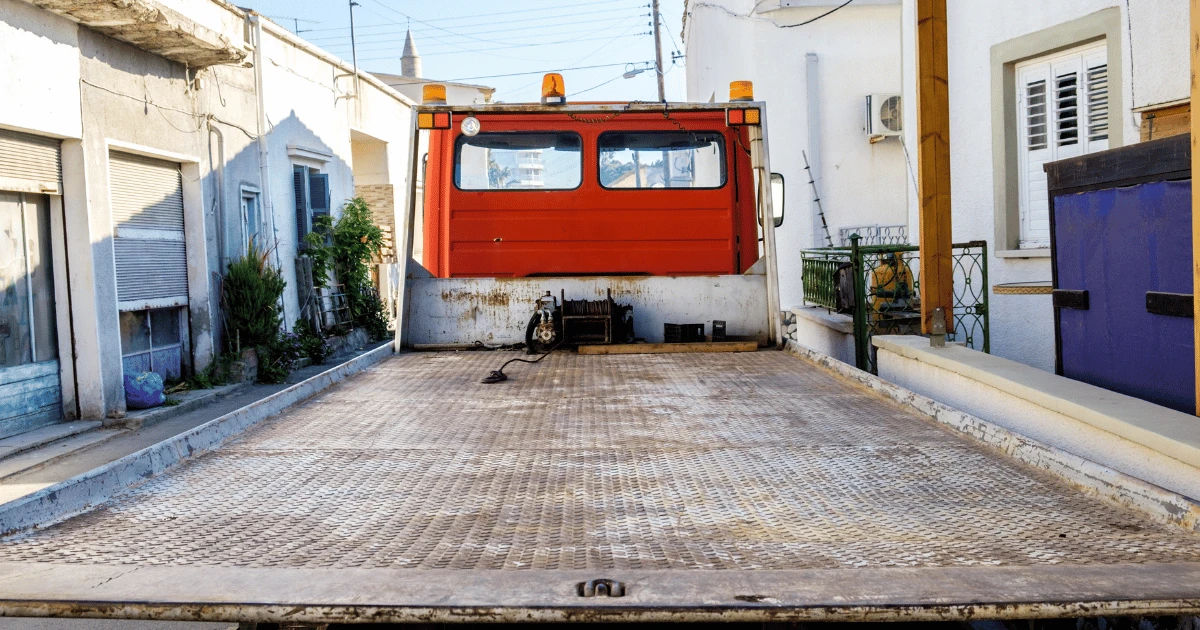
Modern vehicle disposal involves much more than simply getting rid of an unwanted car. Vehicles contain valuable metals, reusable components, fluids, plastics, glass, batteries, and other materials that should be handled correctly. Professional car wreckers can dismantle vehicles, recover usable parts, and send recyclable materials to appropriate processing facilities.
For owners who want a convenient solution, vehicle wrecking can also reduce the stress involved in arranging transportation, advertising a damaged vehicle, or finding a buyer. This comprehensive guide explains why using professional car wreckers can be a sensible choice and what you should expect throughout the disposal process.
What Are Car Wreckers?
Car wreckers are businesses that specialize in dismantling unwanted, damaged, old, or end-of-life vehicles. Instead of treating an entire vehicle as waste, they assess the car and determine which components and materials can still provide value.
A vehicle may contain many parts that remain useful even when the car itself is no longer economical to repair. Engines, transmissions, doors, mirrors, wheels, seats, lights, electrical components, and interior fittings may be recovered and prepared for reuse.
The remaining materials can often be separated and recycled. Metals are particularly valuable because steel, aluminium, and other materials can be processed and used again in manufacturing.
This approach makes professional vehicle dismantling different from simply abandoning or disposing of a car as general waste.
Why Vehicle Disposal Can Be Difficult
Getting rid of an unwanted vehicle is not always as simple as handing over the keys. Older vehicles can be difficult to sell because potential buyers may be concerned about repair costs, reliability, registration, or safety.
Damaged vehicles can create additional challenges. A car that has been involved in an accident may have serious structural or mechanical problems even if some visible components appear undamaged.
Non-running vehicles also require special consideration. Moving them may require towing equipment, especially when the wheels, steering system, engine, or transmission are no longer functioning.
There are also environmental concerns. Vehicles contain oils, coolant, brake fluid, fuel, batteries, and other materials that should not simply be released into the environment.
Using an appropriate disposal service can help address these issues in a more organized way.
Convenience of Professional Vehicle Disposal
One of the biggest reasons people choose car wreckers is convenience. Vehicle owners often want a straightforward solution without spending weeks trying to find a private buyer.
A professional wrecker may be able to arrange vehicle collection, depending on its service area and policies. This can be particularly helpful when the vehicle cannot be driven.
Instead of paying for separate towing arrangements, the owner may be able to discuss collection during the initial disposal process.
The process can also reduce paperwork and communication with multiple potential buyers. Rather than answering repeated questions about a vehicle's condition, owners can provide its basic details and receive an assessment.
This makes vehicle disposal considerably easier for people with limited time.
Suitable for Damaged and Non-Running Vehicles
A major advantage of car wreckers is their ability to deal with vehicles that may not appeal to conventional buyers.
A damaged car may have been affected by an accident, flood, hail, fire, mechanical failure, or long-term neglect. Although the complete vehicle may no longer be practical to repair, individual components can sometimes remain useful.
Similarly, a non-running vehicle can still contain valuable materials and parts. Its inability to operate does not necessarily mean that every component has lost its value.
Professional assessment helps determine what can be recovered.
Owners should provide accurate information about the vehicle's condition. Being honest about major damage, missing components, or mechanical problems helps create realistic expectations during the disposal process.
Opportunity to Recover Value
An unwanted vehicle may still have financial value. Instead of allowing it to sit unused and deteriorate, owners can explore whether a professional disposal service is willing to purchase it.
The amount offered can depend on several factors.
These may include the vehicle's make, model, age, condition, demand for its components, weight, current scrap-metal values, and the availability of reusable parts.
A relatively old vehicle may have little value as a complete car but could contain sought-after components.
For this reason, owners should not automatically assume that a vehicle has no value simply because it is no longer roadworthy.
Reusable Parts Can Extend Vehicle Lifespans
Vehicle dismantling can support the reuse of automotive components. When suitable parts are carefully removed and assessed, they may be sold as used replacement components.
This creates another benefit of the wrecking process.
A driver repairing an older vehicle may prefer a suitable used component instead of purchasing an expensive new replacement. Depending on the part, a quality used component can provide a practical repair option.
Parts such as mirrors, doors, wheels, seats, lights, trim pieces, engines, transmissions, and selected electrical components may sometimes be recovered.
Not every part will be suitable for reuse. Components must be assessed according to their condition and suitability.
Environmental Benefits of Responsible Vehicle Recycling
Environmental responsibility is another important reason to choose professional car wreckers.
Vehicles contain large quantities of recyclable materials. Steel and aluminium, for example, can often be recovered and processed instead of being sent directly to landfill.
Recycling existing metals can reduce the need for some new raw-material extraction. It can also help conserve resources and reduce the amount of vehicle waste entering disposal sites.
Glass, plastics, rubber, and other materials may also be separated where appropriate recycling systems are available.
The exact recycling process varies between businesses and locations, but responsible dismantling generally aims to recover as much useful material as reasonably possible.
Safe Handling of Vehicle Fluids
Old vehicles can contain substances that require careful handling. Engine oil, coolant, fuel, transmission fluid, brake fluid, and other automotive liquids should not be dumped onto the ground or into drains.
Professional dismantling facilities can use appropriate procedures for removing and managing these materials.
This is particularly important for vehicles that have been sitting unused for a long time. Leaks can develop as seals and components deteriorate.
Responsible disposal helps reduce the possibility of harmful substances entering soil or waterways.
Vehicle batteries also require appropriate handling because they contain materials that should be managed through suitable recycling or disposal systems.
Reducing Clutter Around Your Property
An unwanted vehicle can occupy significant space on a driveway, in a garage, or on private property.
If the vehicle is no longer useful, keeping it indefinitely may not make practical sense.
Professional car wreckers can provide an option for removing the vehicle and freeing the space for another purpose.
This can be especially helpful for households preparing to move, renovate a property, clear a garage, or simply improve the use of available space.
Removing an unused vehicle can also reduce the visual clutter associated with storing an old car.
What Happens During the Wrecking Process?
The exact process varies, but responsible vehicle disposal generally follows several stages.
First, the vehicle is identified and assessed. Important information can include its make, model, year, identification details, condition, and location.
If the vehicle is accepted, transportation may be arranged where applicable.
Once the vehicle reaches the dismantling facility, technicians can inspect it more closely. Reusable components may be removed before the remaining shell is processed.
Fluids and other materials requiring controlled handling are dealt with appropriately.
Parts that meet the relevant quality requirements may be cleaned, tested, catalogued, and stored for future use.
Finally, recyclable materials are separated and sent through suitable recycling channels.
How to Choose the Right Vehicle Wrecker
Not every disposal provider offers exactly the same services. Vehicle owners should therefore compare their options before making a decision.
Look for a business that clearly explains its disposal process and provides transparent information about vehicle assessments.
It is also useful to ask whether vehicle collection is available if the car cannot be driven.
Owners should clarify whether there are any collection fees, paperwork requirements, or conditions affecting the offer.
A reputable business should be willing to explain the process rather than pressuring the owner into making a rushed decision.
Documents and Vehicle Information
Before arranging disposal, gather important vehicle information.
This may include registration details, identification documents, service records, ownership information, and other paperwork relevant to the vehicle.
Requirements vary by location, so owners should check the applicable rules and ask the disposal business what documentation is required.
Providing accurate information can make the transaction smoother.
It is also sensible to remove personal belongings from the vehicle before handing it over. Check the glove compartment, boot, centre console, door pockets, and other storage areas.
If the vehicle contains personal documents, remove them before collection.
What About Registration and Ownership?
Vehicle disposal may involve administrative responsibilities depending on local regulations.
Owners should check whether they need to cancel registration, notify the relevant transport authority, transfer ownership, or complete other paperwork.
The requirements can differ depending on the vehicle's registration status and the jurisdiction where the disposal occurs.
A responsible disposal business may provide general guidance, but vehicle owners should confirm legal requirements with the appropriate government authority.
Keeping copies of important documents and transaction records can also be helpful.
Why Abandoning an Old Vehicle Is a Bad Idea
Leaving an unwanted vehicle on public land or an unsuitable private location can create several problems.
The vehicle may deteriorate, leak fluids, attract pests, or become a source of environmental contamination.
It can also become an eyesore and may create legal or administrative issues.
An abandoned vehicle may eventually require removal by authorities or property owners, potentially creating additional costs.
Arranging responsible disposal from the beginning is usually a more sensible approach.
How Vehicle Recycling Supports the Circular Economy
Vehicle wrecking contributes to the broader idea of a circular economy.
A traditional approach follows a simple pattern: manufacture a product, use it, and dispose of it. Recycling changes this model by recovering materials and components for another useful purpose.
A vehicle that has reached the end of its useful road life can still contain resources.
Recovering a functioning component means that another vehicle may not require a newly manufactured replacement. Recycling metals also allows materials to re-enter manufacturing systems.
This creates value from something that might otherwise be considered waste.
Common Situations Where Wrecking Makes Sense
There are many circumstances in which vehicle disposal through a professional wrecker can be practical.
An owner may have an old car that repeatedly needs expensive repairs. Another person may have a damaged vehicle that an insurer has declared uneconomical to repair.
Someone may inherit an unwanted vehicle that they have no intention of using.
A non-running car may also become too expensive to restore.
In each situation, professional disposal can provide an alternative to storing the vehicle indefinitely.
Questions to Ask Before Handing Over Your Vehicle
Before choosing a disposal provider, ask a few basic questions.
Does the business accept the type of vehicle you own?
Can it collect a vehicle that does not run?
How is the vehicle's value assessed?
Are there any transportation or processing charges?
What paperwork is required?
How are reusable parts and recyclable materials handled?
Will you receive documentation confirming the transaction?
Clear answers to these questions can help prevent misunderstandings.
Benefits Beyond Convenience
The advantages of professional vehicle disposal go beyond saving time.
It can combine convenience, resource recovery, environmental responsibility, and potential financial return in one process.
Instead of treating an unwanted vehicle as useless waste, professional dismantling recognizes that different parts of the vehicle may have different values.
The engine might be reusable. The wheels could have demand. The body may provide recyclable metal. The battery may enter a specialized recycling stream.
This approach makes the disposal process more resource-conscious.
Conclusion
Choosing professional car wreckers for vehicle disposal can be a practical solution when an old, damaged, unwanted, or non-running vehicle has reached the end of its useful life. Rather than allowing the vehicle to occupy valuable space or deteriorate on private property, owners can explore a structured disposal process that focuses on reuse, recycling, and responsible material handling.
One of the strongest benefits is convenience. Depending on the provider, collection may be available for vehicles that cannot be driven. This can eliminate the difficulty of finding separate transportation and make the entire process easier.
Another important benefit is resource recovery. A vehicle that no longer works as a complete machine can still contain valuable components and recyclable materials. Reusable parts can potentially help other vehicle owners, while metals and other materials can be processed for future use.
Environmental responsibility is equally important. Proper handling of vehicle fluids, batteries, metals, plastics, glass, and other materials helps reduce unnecessary waste and the risk of pollution.
Before choosing a service, take time to compare providers, ask about collection, understand how the vehicle will be assessed, and confirm the paperwork required in your area. Accurate vehicle information and clear communication can make the transaction smoother.
Ultimately, responsible vehicle disposal is about more than getting rid of an unwanted car. It is about making a sensible decision that can free up space, recover useful resources, reduce waste, and potentially provide some financial return. For many vehicle owners, working with reputable car wreckers offers a convenient and environmentally conscious way to bring an unwanted vehicle's journey to a responsible end.