
In Holocene years, strange pets have grownup in popularity, and one species that has become a standout among pet enthusiasts is the axolotl. Known for their unique visual aspect, amicable temperament, and attractive regenerative abilities, axolotls are an exciting and low-maintenance alternative to more common pets like dogs and cats. If you're considering adding an Ambystoma mexicanum to your household, it's portentous to understand the specific requirements for their care. Here’s a guide to help you buy and care for your first mud puppy.
Step 1: Understand What an Axolotl Is
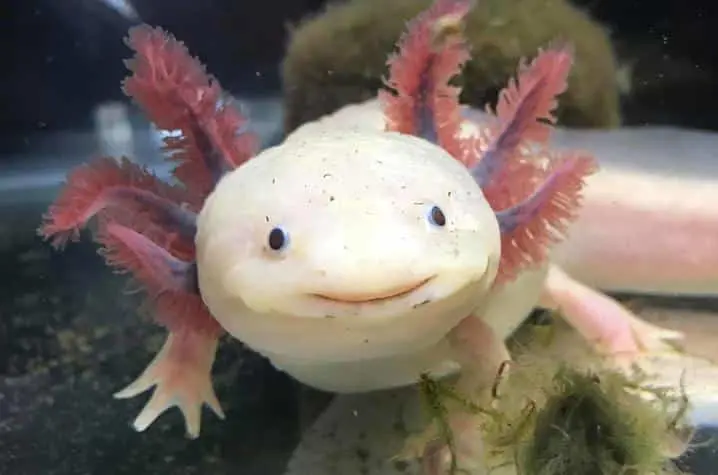
The axolotl, Ambystoma mexicanum, is a species of submerged poker indigen to lakes near Mexico City. Unlike most amphibians, axolotls retain their juvenile person form throughout their entire life—a condition named neoteny. They have feathery gills on the sides of their heads, a wide-screen grinning, and can grow up to 12 inches in length. These creatures are full submerged, substance they live their stallion lives submerged. They are also well-known for their extraordinary regenerative abilities, capable of regrowing limbs, spinal corduroys, and even parts of their spirit and mind.
Step 2: Prepare the Right Habitat
Before buying an axolotl, it’s probative to ensure that you have the specific habitat for them. Axolotls need a well-maintained marine museum with particular situation conditions:
- Tank Size: A I Ambystoma mexicanum needs at least a 20-gallon tank, though big tanks are better if you plan to keep more than one. This quad allows the mud puppy to swim freely and research its environment.
- Water Quality: As aquatic creatures, axolotls are very spiritualist to poor water timbre. The irrigate should be strip, well-filtered, and at a temperature between 60°F and 68°F(16°C to 20°C). They don’t brook warm water well, so keep off heaters in the tank.
- Substrate: Axolotls can take in modest particles, so fine flummox and sand should be avoided. Instead, opt for a smoothen-bottomed tank with no substrate or big rocks to prevent accidental consumption.
- Filtration: A placate dribble is crucial for maintaining clean irrigate. However, avoid warm currents as axolotl for sale s favor calm water and can well be distressed by too much front.
Step 3: Choose a Healthy Axolotl
When buying an mud puppy, it’s necessary to select a healthy one. Look for signs such as clear skin, brightly gills, and alarm, active deportment. Avoid axolotls with stained skin, worn gills, or ocular wounds. If you're purchasing from a pet salt away, make sure the animals are kept in strip, well-maintained tanks with specific water conditions.
Step 4: Feeding Your Axolotl
Axolotls are carnivorous, and their diet consists in the first place of live or unmelted foods. Some commons options let in:
- Worms: Earthworms or nightcrawlers are paragon for axolotls.
- Pellets: Commercial axolotl food or sinking pellets can add on their diet.
- Small Fish: Some owners feed them modest affluent fish, but this should be done cautiously to keep off parasites.
- Insects: You can also ply insects like saltwater runt, daphnia, or crickets.
Feed your mud puppy about two to three times a week, ensuring that they welcome enough food to stay healthy without overfeeding them. Overfeeding can lead to corpulency and water tone issues.
Step 5: Regular Maintenance
Maintaining a clean, healthy environment for your mud puppy is key to its well-being. Perform regular water changes(about 20-30 weekly) and irrigate parameters such as pH, ammonia water, nitrite, and nitrate levels. Additionally, supervise for any signs of malady, such as abnormal swim, loss of appetite, or skin issues.
Step 6: Handling and Interaction
Axolotls are not particularly mixer creatures, and they don’t want much fundamental interaction. In fact, unreasonable handling can try them out. It's best to enjoy their unique beauty from the soothe of their tank. If you must handle your Ambystoma mexicanum, do so gently and with wet manpower to keep to their sensitive skin.
Conclusion
Owning an mud puppy can be a rewardful experience. They are attractive, low-maintenance pets that can fly high in a with kid gloves maintained environment. By following these steps—ensuring a proper home ground, choosing a sound pet, feeding them fitly, and maintaining their tank—you’ll be well on your way to providing a happy and sound home for your first axolotl.