
The area of photonics has experienced exceptional innovations, specifically in the growth of numerous modulators that play important duties in countless optical applications. Amongst these, fiber acousto-optic modulators (AOMs) and their lots of variants, such as space AOMs and free-space AOMs, stand out due to their adaptability and effectiveness.
Among the most popular attributes in laser innovation is ultra-narrow linewidth, typically associated with single-frequency lasers. These lasers produce light with an extremely narrow spectral size, making them optimal for different detailed applications, consisting of systematic interaction systems and high-resolution spectroscopy. A fiber-coupled AOM, which integrates the AOM right into a fiber optic system, provides seamless coupling with single-frequency fiber lasers. This combination demonstrates the trend towards raised density and effectiveness in optical systems without sacrificing performance.
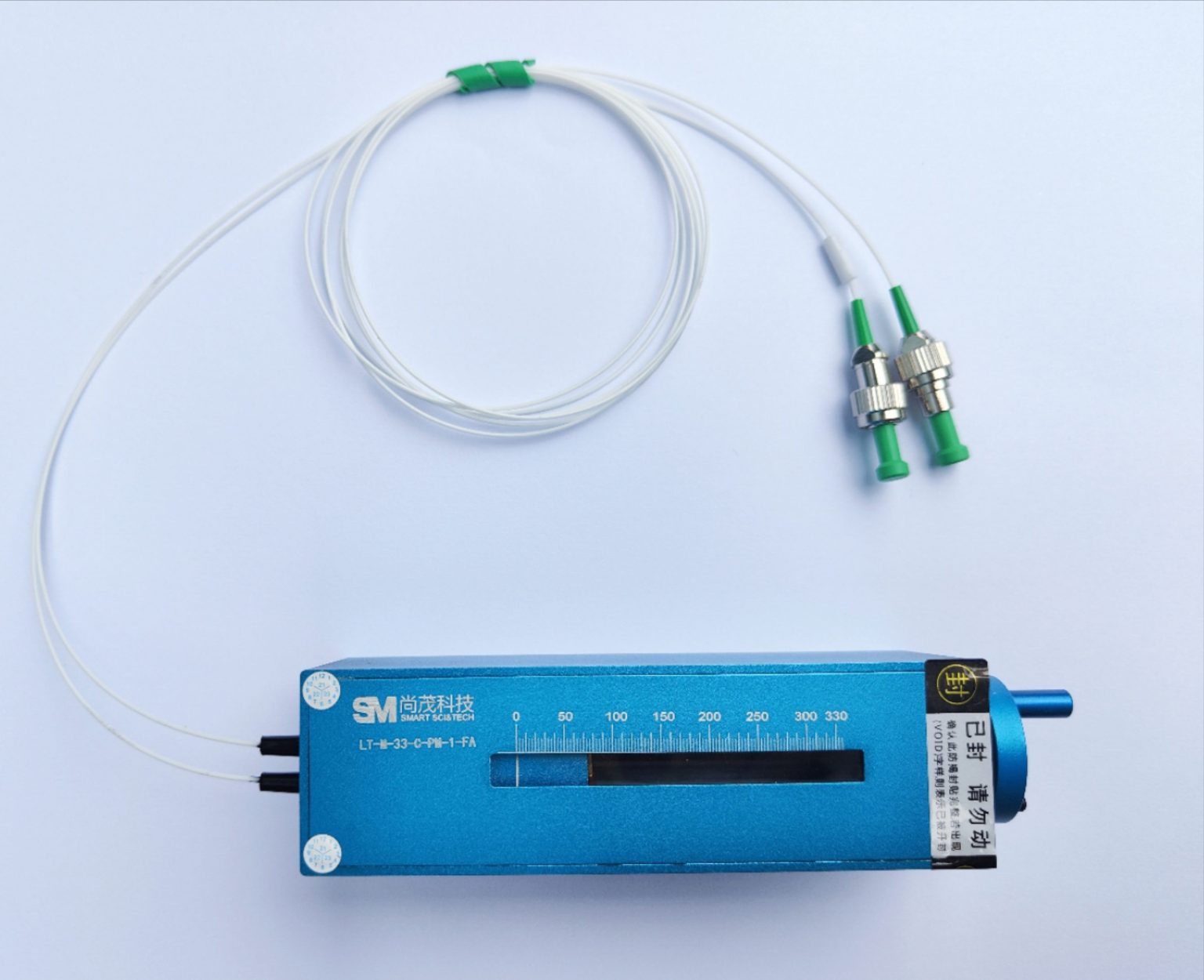
The energy of fiber optic delay lines can not be overemphasized, particularly in designing advanced optical systems that call for specific timing and synchronization. These delay lines harness the inherent properties of optical fibers to handle light signals efficiently, allowing designers and researchers to check out high-speed information transmission or detailed timing explores marginal loss of fidelity. The electric optical fiber delay line acts as a central part in this context, assisting in the control of light signals to match specific demands.
Explore fiber optic delay line the most recent developments in photonics, concentrating on the critical duty of fiber acousto-optic modulators in boosting laser applications, telecommunications, and accuracy optical systems for varied sectors.
Modulators are crucial in laser systems, playing a crucial function in changing constant wave outcomes right into pulse styles. Acousto-optic Q-switch modulators offer this exact objective, making it possible for fast modulation of laser outputs, which results in high-peak power pulses.
The distinction between acousto-optic buttons and modulators is an essential element of recognizing how these devices function in various circumstances. In comparison, a modulator readjusts the light’s residential properties, straight impacting the light beam’s qualities.
Acousto-optic devices have increasingly gotten grip in the market, driven by the intensifying demand for sophisticated optical modern technologies. The acousto-optic modulator market is observing substantial growth as a result of applications in telecoms, armed forces systems, and industrial production. These devices are essential for frequency moving, beam steering, and signal processing. As innovation evolves, business are establishing innovative services to deal with the demands for miniaturization, boosted performance, and cost-effectiveness.
Narrow linewidth fiber lasers show secure exhaust with marginal spectral spread, providing to applications in fiber-optic communications and sensing innovations. Coupling these fibers with innovative modulators enables scientists to explore new frontiers in optical communication systems.
Acoustic optical deflectors add to the convenience of optical systems, providing a method to manipulate light dynamically and successfully by utilizing acoustic waves as the controlling device. Such devices can be located in various applications, from laser scanning systems to advanced imaging methods. By using the principles of acousto-optics, these deflectors assist in attaining fast and precise alterations in the beam of light’s trajectory without the need for complex mechanical components.
In discovering the types of pulse modulation, one realizes the complexities and range intrinsic in the area. Pulse modulation techniques, such as pulse-width modulation (PWM) and pulse-position modulation (PPM), permit manipulation of light based upon exhaust to produce varying signal types. These methods promote developments in electronics and photonics, from managing laser outcomes to enhancing the performance of fiber optic systems.
Further factor to consider of optical passive components discloses their important function in boosting system integrity. Their payment to total system efficiency is essential, mainly when incorporated with modulators and other dynamic optical devices.
The growing concentrate on space applications emphasizes the requirement for trusted and robust optical systems that can operate properly in severe problems. Space acousto-optic modulators, in certain, suit the unique needs of space goals, where aspects such as radiation exposure and temperature changes can considerably affect performance. The advancement of space-grade acousto-optic devices makes sure that interaction and information collection continue to be uninterrupted in the rough environments of space.
Acousto-optic Q-switching represents one of the most effective techniques of generating high-energy pulses, vital for applications varying from laser marking to medical treatments. The modulation capabilities inherent in AOMs enable them to adjust to differing demands, maximizing pulse period and energy result. They offer an innovative pathway to elevate laser applications throughout diverse fields.
As we dive additionally right into the future of photonics, it becomes increasingly clear that innovation in laser modulators and acousto-optic technologies is essential. The advancements in modulator drivers boost the efficiency with which EOMs and aoms run, making it possible for quicker and extra dependable efficiency. The crossover in between growths in modulation and the boosting demand for higher data transfer and lower latency in interaction systems suggests a future abundant with possibilities for enhanced optical communications.
Understanding the basic auto mechanics that underpin acoustic optical modulators will certainly lead to remarkable design and performance renovations as research study remains to prosper. The expedition of brand-new products, assimilations, and methods in locations like micro-nano construction will likely yield devices with also finer control and expanded functional life times. These innovations not only promise boosted capability for existing systems yet invite totally brand-new applications within emerging innovations in quantum computer, robotics, and advanced production.
In recap, the domain of acousto-optic modulators and related fiber-optic technologies embodies quick development and complexity, acting as fundamental elements within many contemporary optical applications. With the expanding need for accuracy and high efficiency in numerous markets, the growth of acousto-optic devices, such as fiber AOMs, remains to advance, adjusting to new obstacles and possibilities. As researchers and designers push the borders of technology, these devices will certainly remain central to shaping the future of optical interaction, laser applications, and beyond, declaring a brand-new age of technological improvement.