
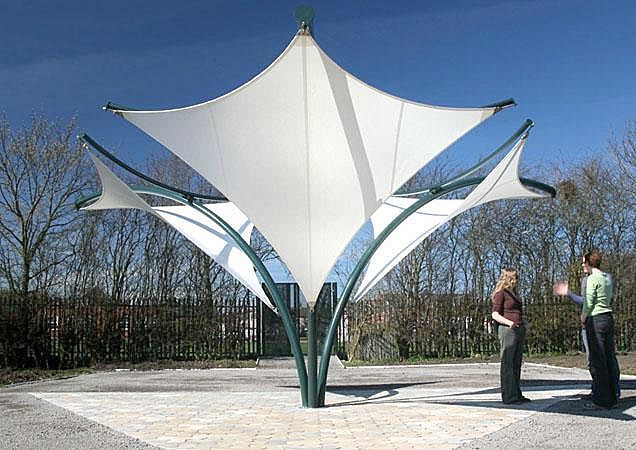
Tensile structures, often characterized by their lightweight, flexible nature and dramatic, sweeping forms, have become a hallmark of modern architecture and engineering. From iconic stadiums to bridges and pavilions, these structures combine strength and flexibility in a way that challenges traditional architectural norms. The science behind event tents Jeddah is rooted in the innovative use of materials, geometry, and the principles of physics, making them one of the most efficient forms of construction.
What Are Tensile Structures?
Tensile structures are buildings or architectural elements that primarily rely on tension to bear loads, as opposed to conventional structures that use compression or bending. These structures are made from materials that can withstand significant stretching or pulling forces. They are typically formed using flexible, durable materials like fabric, steel cables, or membranes, which are pre-stressed or tensioned to create a stable form. The resulting shapes can range from simple canopies to complex, large-scale installations.
The core feature of tensile structures is the way they distribute forces. Unlike rigid forms that rely on the strength of columns or beams, tensile structures use their surface tension to spread loads evenly across the material. This allows them to maintain structural integrity while minimizing the material required for construction, making them both cost-effective and environmentally friendly.
The Physics Behind Tensile Strength
The key to understanding tensile structures lies in the forces at play. Tension, unlike compression, is a force that pulls the material apart. When a material is put under tension, its molecules align in a way that allows the material to elongate without breaking. Materials used in tensile structures, such as high-strength steel cables or specially engineered fabrics, are selected for their ability to resist this stretching without losing structural stability.
Tensile structures also take advantage of the properties of membranes. A membrane is a thin, flexible material that can bear tension across its surface, but it has little inherent strength when subjected to compression or bending. However, when tension is applied evenly, the membrane distributes the forces in such a way that it maintains its shape and resists deformation. This ability to maintain a consistent surface under varying forces makes tensile structures exceptionally stable.
In these structures, forces act along the lines of tension, which means that the material only needs to resist pulling forces, unlike traditional structures that must manage both compression and bending forces. This makes tensile structures lighter, as they do not require heavy, bulky materials to support their weight. Instead, they rely on the geometry of their form, which helps distribute the stresses across the surface efficiently.
Combining Strength and Flexibility
One of the most remarkable aspects of tensile structures is their combination of strength and flexibility. This balance is achieved through the materials used and the geometric forms that define these structures. Tensile materials like membranes can stretch to absorb dynamic loads (such as wind or seismic activity) without collapsing. This flexibility allows the structures to adapt to environmental conditions, making them ideal for use in regions prone to extreme weather.
At the same time, the pre-stressing of materials in tensile structures provides an added level of strength. The tension applied to these materials before construction ensures that the final structure can withstand significant external forces without yielding. For example, the tension in a fabric roof can allow it to resist snow loads, wind forces, and even seismic movement while remaining in place.
Applications of Tensile Structures
Tensile structures are widely used in a variety of applications due to their strength, flexibility, and aesthetic appeal. Sports stadiums, convention centers, and airport terminals often incorporate tensile roofs, which offer large, column-free spaces and can be constructed relatively quickly. These structures are also favored in temporary installations such as exhibition halls and event pavilions because of their ability to be disassembled and moved with ease.
Additionally, the growing focus on sustainability has made tensile structures an attractive option for eco-friendly design. Their ability to cover large areas with minimal material usage results in a lower environmental impact compared to traditional construction methods.
Conclusion
Tensile structures represent a fascinating intersection of art, engineering, and physics. Their strength comes from their ability to distribute forces across a flexible membrane, while their flexibility allows them to adapt to dynamic loads. Through innovative material use and geometric design, tensile structures offer a compelling alternative to conventional forms of construction, combining efficiency, sustainability, and visual impact in ways that are both practical and aesthetically pleasing.