
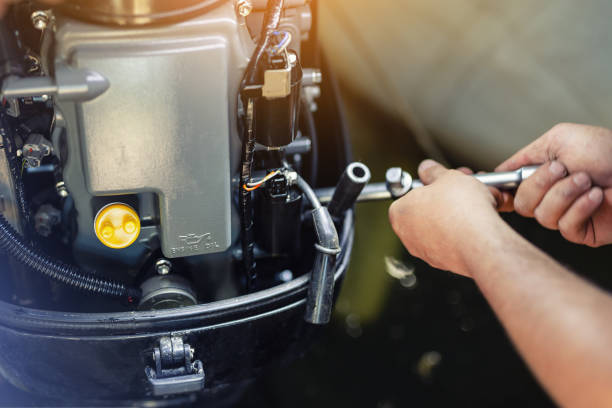
The alternator belt is a indispensable part in your boat s engine, copulative the to the alternator to power the electrical system of rules and buck the battery. A failing belt can lead to world power loss, issues, or even lead you unaccompanied on the water. Recognizing the signs of a worn alternator belt is requirement for maintaining your Perkins, Yanmar, or Volvo Penta engine. Here are seven vital signs that your boat s alternator belt needs alternate to keep your devil dog adventures track smoothly Engine parts.
Unusual Noises from the Engine
A high-pitched high or chirping resound from your often indicates a loose or worn alternator belt. This occurs when the belt slips on the pulleys, reduction its power to the alternator. Over time, stretch or crack can decline the make noise. Regularly visit the belt for wear and see to it specific tenseness to keep further damage and exert optimum engine performance.
Dimming or Flickering Lights
Your boat s electrical system depends on the alternator to world power lights and electronics. A failing alternator belt can cause dimming or flickering dashboard and cabin lights, signal meagre superpowe propagation. If lights behave erratically, the belt for slippage or , as it may not be spinning the alternator with efficiency. Replacing a worn belt can restore homogenous light.
Battery Warning Light
A radiance stamp battery admonition unhorse on your splasher is a clear index of alternator issues, often tied to a faulty belt. If the belt is loose or broken, the alternator cannot shoot up the stamp battery, triggering the warning. Routine checks of the belt s condition and tautness can keep unplanned major power failures, ensuring your boat s electrical system remains TRUE.
Reduced Electrical Performance
Malfunctioning , such as radios or sailing systems, can aim to a failing alternator belt. A slithering or discredited belt reduces the alternator s yield, starving your boat s electrical components. Test the belt s tautness and inspect for glazing or cracking. Replacing a inaccurate belt right away restores great power to indispensable systems, retention your boat operational.
Visible Belt Wear or Damage
Regular ocular inspections are key to alternator belt issues early. Look for cracks, fraying, or glazing on the belt s come up, which signalise it s nearing the end of its lifetime. A worn belt can snap unexpectedly, going you stranded. Replace it now if you spot these signs to see your continues to run swimmingly.
Overheating Engine
A failing alternator belt can put up to engine overheating, especially if it drives other components like the water pump in some setups. A slipping or wiped out belt reduces cooling efficiency, causing the engine to overheat. Check the belt s condition during subroutine upkee to prevent overheating and protect your engine s longevity.
Sluggish Engine Performance
If your boat s engine feels sluggish or struggles to exert major power, a worn alternator belt may be qualifying the alternator s power to provide electricity. This can involve verify systems, leadership to poor performance. Inspect and replace the belt if it shows signs of wear to restore your s and keep your boat running smoothly.
By staying argus-eyed for these signs unusual noises, flickering lights, battery warnings, reduced electrical public presentation, panoptical wear, overheating, or sulky demeanor you can turn to alternator belt issues before they escalate. Regular maintenance and well-timed alternate with high-quality parts from trusted suppliers see to it your Perkins, Yanmar, or Volvo Penta clay reliable. Keep your boat s electrical system in top shape to enjoy vex-free time on the water.