
If you've ever looked at an old, damaged, or unwanted vehicle sitting in your driveway, you've probably wondered, "How do I scrap my car?" The process may seem complicated at first, but modern vehicle recycling is designed to be simple, safe, and environmentally responsible.
Whether your car has been involved in an accident, failed its inspection, or simply reached the end of its life, understanding how scrap my car services work can help you make the right decision.Scrapping a vehicle is more than just sending it to a junkyard. Every part of the process, from collection and paperwork to dismantling and recycling, is carefully managed to recover valuable materials while reducing environmental waste.
Many vehicle owners are surprised to learn that even a car that no longer runs can still contain valuable metals and reusable components.In this guide, you'll learn exactly how scrap vehicle disposal works, what happens after your vehicle is collected, how the recycling process protects the environment, and how to prepare your vehicle before it leaves your property.
What Is Scrap Vehicle Disposal?
Scrap vehicle disposal is the process of permanently removing an unwanted, damaged, or end-of-life vehicle from use while recovering as many reusable materials as possible.
Instead of leaving abandoned vehicles to rust away, licensed recycling facilities dismantle them safely. Valuable components are removed, hazardous materials are handled correctly, and metals are recycled for future manufacturing.
Modern disposal methods aim to recycle up to 95% of a vehicle by weight, making vehicle recycling one of the most successful recycling industries worldwide.
Why People Decide to Scrap Their Vehicles
Many reasons lead owners to choose vehicle disposal instead of repairs.
Common situations include:
- Severe accident damage
- Mechanical failure
- Engine replacement costs exceeding vehicle value
- Flood damage
- Fire damage
- Excessive rust
- Failed roadworthiness inspections
- Expensive maintenance
- Old age
- Unused vehicles occupying space
When repair costs become greater than the vehicle's market value, choosing to scrap my car often becomes the most practical financial decision.
How the Scrap Vehicle Disposal Process Works
The disposal process follows several organized steps.
Step 1: Vehicle Assessment
The first stage involves evaluating the vehicle.
Information usually requested includes:
- Make
- Model
- Year
- Vehicle condition
- Mileage
- Engine status
- Accident history
- Missing parts
- Registration details
This information helps determine the vehicle's recycling value.
Step 2: Receive a Quote
Once the vehicle details are provided, a disposal company calculates an offer.
Factors affecting value include:
- Current scrap metal prices
- Vehicle weight
- Metal content
- Demand for reusable parts
- Catalytic converter value
- Engine condition
- Transmission condition
Larger vehicles generally receive higher offers because they contain more recyclable metal.
Step 3: Schedule Vehicle Collection
Most disposal companies provide free collection.
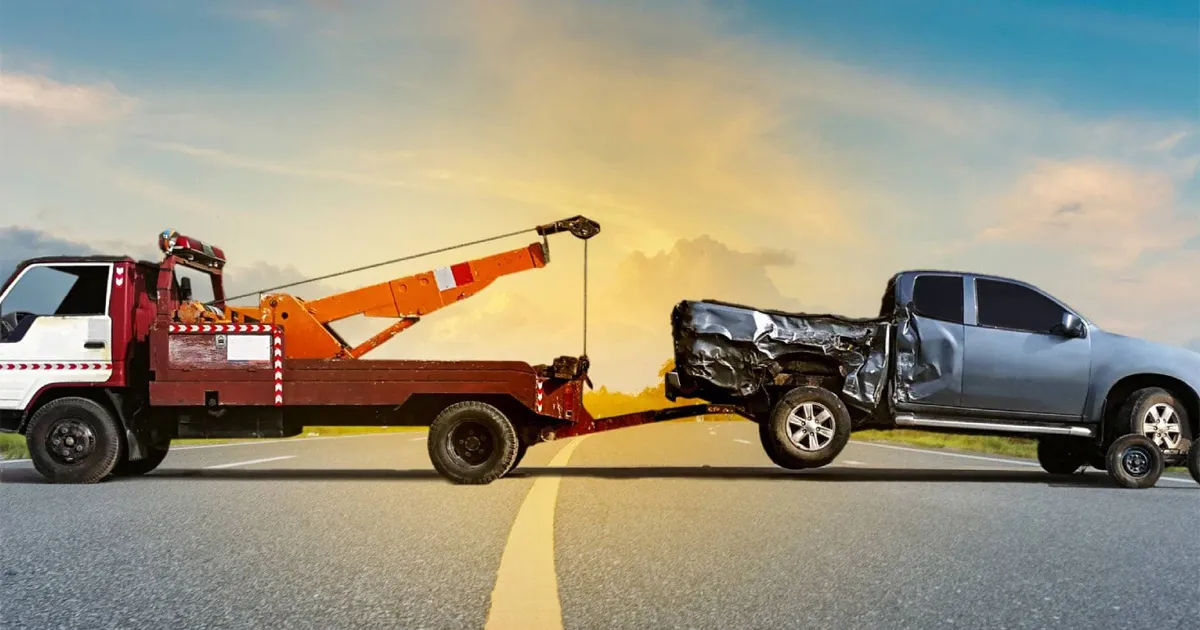
Professional drivers arrive using recovery trucks designed for damaged or non-running vehicles.
This eliminates the need for owners to transport broken vehicles themselves.
Step 4: Complete the Required Paperwork
Before collection, ownership verification is completed.
Depending on local regulations, owners may need:
- Vehicle registration
- Identification
- Proof of ownership
- License plates (if required)
Proper documentation ensures the vehicle is legally transferred for recycling.
Step 5: Vehicle Transportation
Once paperwork is complete, the vehicle is loaded safely.
Hydraulic winches make it possible to recover:
- Non-running vehicles
- Accident-damaged vehicles
- Vehicles without wheels
- Flood-damaged cars
- Burned vehicles
The vehicle is transported directly to an authorized recycling facility.
What Happens After Your Vehicle Arrives?
Many owners assume the car is crushed immediately.
In reality, several important recycling stages happen first.
Initial Inspection
Workers inspect every vehicle carefully.
They identify:
- Reusable parts
- Hazardous materials
- Valuable metals
- Salvageable components
This inspection determines the most efficient recycling process.
Hazardous Fluid Removal
Before dismantling begins, all fluids are removed safely.
These include:
- Engine oil
- Brake fluid
- Transmission fluid
- Coolant
- Fuel
- Windshield washer fluid
- Power steering fluid
These liquids are either recycled or disposed of according to environmental regulations.
Battery Removal
Car batteries require special handling.
Lead-acid batteries contain hazardous chemicals that should never enter landfills.
Most batteries are recycled into:
- New batteries
- Plastic products
- Lead products
Battery recycling significantly reduces pollution.
Airbag Removal
Modern vehicles contain multiple airbags.
Before dismantling, trained technicians safely deactivate and remove them.
This prevents accidental deployment during recycling.
Tire Removal
Tires are separated from the vehicle.
Depending on condition, they may be:
- Reused
- Retreaded
- Recycled
Old tires often become:
- Playground surfaces
- Rubber flooring
- Sports tracks
- Asphalt additives
Nothing goes to waste if it can be reused.
Removing Valuable Parts
One of the most valuable stages involves recovering reusable components.
Common salvaged parts include:
- Engines
- Gearboxes
- Alternators
- Starters
- Radiators
- Doors
- Mirrors
- Headlights
- Seats
- Wheels
- Electronic modules
- Suspension parts
Selling reusable parts helps reduce repair costs for other vehicle owners.
Catalytic Converter Recovery
Catalytic converters contain precious metals.
These include:
- Platinum
- Palladium
- Rhodium
Because these metals are valuable, catalytic converters are carefully removed before crushing.
Vehicle Crushing
After reusable materials are removed, the empty shell is crushed.
Large hydraulic crushers compress the vehicle into compact blocks.
Crushing helps reduce transportation costs while making recycling more efficient.
Metal Shredding
The crushed shell enters an industrial shredder.
Powerful machines break the vehicle into small metal pieces.
These fragments are separated into different material categories.
Material Separation
Advanced recycling facilities separate materials using specialized equipment.
These systems identify:
Steel
Steel represents the largest portion of most vehicles.
It is melted and reused to manufacture:
- New cars
- Construction materials
- Household appliances
- Industrial equipment
Aluminum
Aluminum is lightweight and highly recyclable.
It is reused for:
- Vehicle components
- Beverage cans
- Building materials
- Aerospace products
Copper
Copper comes from:
- Wiring
- Electrical systems
- Motors
Recovered copper is extremely valuable due to its conductivity.
Plastics
Many plastic components are recycled into:
- Automotive parts
- Storage containers
- Outdoor furniture
- Construction products
Glass
Vehicle glass is processed separately.
Recycled glass becomes:
- New windshields
- Bottles
- Fiberglass insulation
Environmental Benefits of Scrap Vehicle Disposal
Vehicle recycling offers enormous environmental advantages.
Reduces Landfill Waste
Cars occupy significant landfill space.
Recycling prevents millions of tons of waste from accumulating.
Conserves Natural Resources
Recovered metals reduce mining.
Less mining means:
- Lower energy consumption
- Reduced habitat destruction
- Lower greenhouse gas emissions
Saves Energy
Producing steel from recycled material uses far less energy than creating new steel from raw ore.
The same applies to aluminum and copper.
Prevents Pollution
Professional recycling facilities safely handle hazardous substances.
This protects:
- Soil
- Rivers
- Groundwater
- Wildlife
How to Prepare Your Vehicle Before Disposal
Preparing your vehicle makes the process easier.
Remove Personal Belongings
Check:
- Glove compartment
- Trunk
- Seat pockets
- Door compartments
- Center console
- Under seats
Many forgotten valuables are found during this step.
Gather Documents
Keep important paperwork ready.
This may include:
- Registration
- Identification
- Service records
Remove Custom Accessories
If desired, remove:
- Dash cameras
- Phone holders
- Roof racks
- Personalized license plates
- Premium stereo systems
Cancel Insurance
After ownership transfer, contact your insurance provider.
This prevents paying unnecessary premiums.
Common Vehicles That Can Be Scrapped
Many vehicle types qualify.
Examples include:
- Cars
- SUVs
- Vans
- Trucks
- Utes
- Four-wheel drives
- Commercial vehicles
- Accident-damaged vehicles
- Flood-damaged vehicles
- Fire-damaged vehicles
- Non-running vehicles
Even heavily damaged vehicles still contain recyclable materials.
Myths About Scrap Vehicle Disposal
Myth 1: Old Cars Have No Value
Even vehicles that no longer operate contain valuable metals and reusable parts.
Myth 2: The Process Takes Weeks
Many collections happen within one or two days.
Myth 3: Only Running Vehicles Can Be Scrapped
Non-running vehicles are among the most common vehicles recycled.
Myth 4: Everything Gets Thrown Away
Modern recycling facilities recover most vehicle materials.
Very little actually becomes waste.
Factors That Influence Scrap Vehicle Value
Several variables determine how much a vehicle is worth.
These include:
- Vehicle weight
- Current metal prices
- Engine size
- Market demand
- Age
- Overall condition
- Missing components
- Catalytic converter
- Aluminum content
Heavier vehicles generally produce higher recycling returns.
Choosing a Reliable Vehicle Disposal Company
Selecting the right company is important.
Look for businesses that offer:
- Licensed recycling
- Free vehicle collection
- Fair pricing
- Fast payment
- Transparent process
- Environmentally responsible recycling
- Positive customer reviews
A trustworthy recycler explains every step clearly before collection.
Frequently Asked Questions
Can I Scrap a Car That Doesn't Start?
Yes. Most recycling companies collect vehicles regardless of their mechanical condition.
Do I Need the Vehicle Keys?
Not always.
Many disposal companies can still collect vehicles without keys, although requirements vary.
What Happens to the Engine?
If the engine is repairable, it may be refurbished and sold.
Otherwise, the metal is recycled.
Is Vehicle Recycling Safe for the Environment?
Yes.
Licensed facilities follow strict environmental standards for handling hazardous materials and recycling vehicle components responsibly.
How Long Does the Entire Process Take?
From requesting a quote to vehicle collection, the process can often be completed within a day or two, depending on availability and local regulations.
Conclusion
Understanding how scrap vehicle disposal works makes the process far less intimidating. From the moment you decide to scrap my car, every stage is designed to maximize recycling, recover valuable materials, and protect the environment. Professional recycling facilities carefully remove hazardous fluids, salvage reusable parts, recover precious metals, and recycle nearly every component of the vehicle.
Choosing responsible disposal is not only an effective way to clear unwanted vehicles from your property but also a positive contribution to sustainability. Instead of allowing an old car to deteriorate and create environmental risks, recycling gives its materials a second life in new vehicles, buildings, appliances, and countless everyday products.
If your vehicle is no longer reliable or economical to repair, taking the time to research licensed recyclers and understand the disposal process can help you receive fair value while ensuring your vehicle is handled safely and responsibly. Whether your car is damaged, broken down, or simply too old to keep on the road, responsible recycling remains one of the smartest and most environmentally friendly choices available.