
Yes, a Url shortner can create QR codes, and many modern URL-shortening platforms offer this feature as part of their link management tools. Instead of using a separate QR code generator, you can shorten a long web address and turn that shortened link into a scannable QR code from the same platform.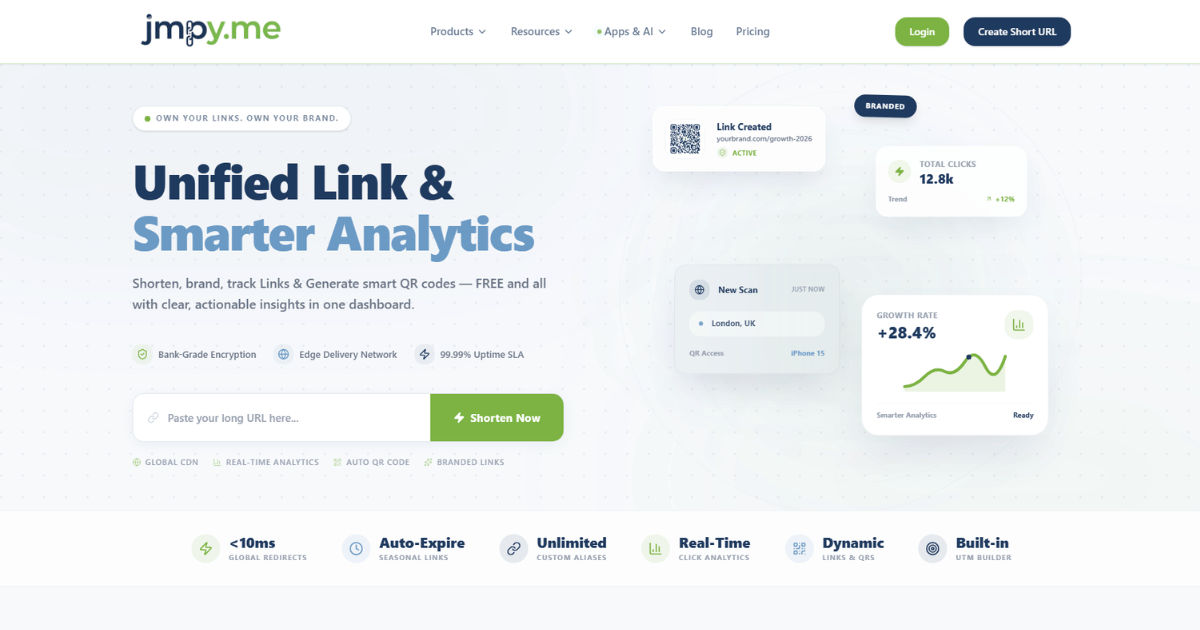
This combination is useful because it brings two powerful tools together. A Url shortner makes a web address shorter, cleaner, and easier to share, while a QR code allows people to access that link by scanning it with a smartphone camera.
For example, imagine a business has a very long product page URL. Sharing that address on printed marketing material may look messy, and typing it manually would be inconvenient. A URL shortener can create a compact link, and that short link can then be converted into a QR code. Customers can scan the code and immediately visit the intended webpage.
This approach is now common in restaurants, retail stores, events, advertising campaigns, business cards, packaging, posters, brochures, and digital marketing.
However, there is an important detail to understand. Not every Url shortner automatically creates QR codes, and the features available can vary between services. Some platforms provide QR codes as a standard feature, while others require a paid plan or offer QR functionality separately.
Understanding how this process works can help you decide whether using a shortened URL with a QR code is the right choice for your business, marketing campaign, or personal project.
What Is a Url shortner?
A Url shortner is a service that converts a long web address into a much shorter URL.
A typical webpage address can sometimes be difficult to remember, type, print, or share. It may contain a long domain name, folders, tracking information, product details, and other parameters.
A URL shortening service creates a shorter address that redirects visitors to the original destination.
For example, instead of sharing a long address that contains many characters, you might use a compact link that is much easier to display.
The shortened URL does not usually replace the original webpage. Instead, it acts as an intermediary. When someone clicks the shortened link, the shortening service receives the request and redirects the visitor to the original URL.
This process happens very quickly, often without the visitor noticing the redirect.
URL shortening is useful for social media posts, email campaigns, advertisements, printed materials, SMS messages, and other situations where space is limited.
It can also provide useful analytics. Depending on the platform, users may be able to see information such as the number of clicks, approximate geographic location, device type, referral source, and other campaign data.
When QR codes are added to this process, marketers can connect offline materials with online destinations while also measuring how often people scan the code.
What Is a QR Code?
A QR code is a two-dimensional barcode that can store information in a visual pattern of squares.
QR stands for "Quick Response." The technology was originally developed to make information easier and faster to scan.
Today, QR codes are commonly used to direct people to websites. However, they can also contain other types of information, including contact details, text, Wi-Fi credentials, payment information, and other data.
For website marketing, a QR code usually contains a URL.
When someone scans the code with a compatible smartphone, the device reads the information and provides an option to open the associated webpage.
This eliminates the need for the user to manually type a long web address.
QR codes are especially useful in physical environments. A customer might see a poster, product package, restaurant menu, business card, or event banner and scan the code to access additional information.
The convenience is one of the main reasons QR codes remain popular.
How Does a Url shortner Create a QR Code?
When a URL shortener supports QR code generation, the process is generally straightforward.
First, you provide the original webpage address to the platform.
The service creates a shortened URL that redirects visitors to the original destination.
The platform then generates a QR code connected to that shortened URL.
When a person scans the QR code, their smartphone reads the shortened address. The device opens the link, and the shortening service redirects the visitor to the original webpage.
The entire process can be understood as a simple chain:
Original webpage → Shortened URL → QR code → Smartphone scan → Redirect → Original webpage
The QR code itself does not necessarily contain the full original URL. Instead, it can contain the shortened URL.
This can make the QR code more practical because the encoded address is shorter.
However, the main advantage is not always the physical size of the QR code. Modern QR codes can encode long URLs, but shorter information generally makes the code less complex and potentially easier to scan under difficult conditions.
Why Combine Short URLs and QR Codes?
Using shortened URLs and QR codes together can be useful because each technology solves a different problem.
The shortened URL is convenient for digital sharing.
The QR code is convenient for physical sharing.
For example, suppose a company wants to promote a new product.
The marketing team could use a shortened URL in a social media advertisement. The same destination could be represented by a QR code on a printed brochure.
Both methods can lead visitors to the same webpage.
This creates consistency across different marketing channels.
Instead of managing completely separate destinations, the business can use one campaign link and make it accessible through multiple formats.
This can simplify campaign management and make performance measurement easier.
Can Every Url shortner Create QR Codes?
No, not every URL shortening service includes QR code generation.
Some platforms focus only on creating shorter links.
Others provide additional features such as QR codes, analytics, branded links, campaign tracking, link editing, custom domains, and audience insights.
Before selecting a platform, it is important to check its feature list.
You should also determine whether QR code creation is available on the free plan or only on a paid subscription.
Another important question is whether the QR code is static or dynamic.
This difference can have a significant impact on long-term marketing campaigns.
Static QR Codes vs. Dynamic QR Codes
A static QR code permanently contains the information encoded into it.
If the QR code contains a direct website address, changing the destination later may require creating and printing a new QR code.
This can be inconvenient if the code has already been placed on thousands of brochures, signs, product packages, or business cards.
A dynamic QR code works differently.
The QR code can point to a shortened or redirecting URL. The destination behind that URL can potentially be changed without changing the physical QR code.
For example, a restaurant might print a QR code on its table cards.
During one month, the code could direct customers to the current menu.
Later, the business might change the destination to a promotional offer or seasonal menu.
If the underlying link can be edited, the restaurant may not need to replace the printed QR code.
This is one of the strongest reasons to combine a QR code with a URL shortening and redirect system.
How Dynamic QR Codes Work
A dynamic QR code usually works through a redirect.
The QR code contains a URL managed by the service provider.
When a person scans the code, their phone opens that URL.
The service then determines where the visitor should be sent.
The destination might be changed from the platform's dashboard.
This means the QR code printed on a physical item can remain the same while the destination changes.
The concept is similar to using a short URL.
The short URL becomes the bridge between the QR code and the final webpage.
This approach is particularly valuable for campaigns that run for months or years.
Are QR Codes Generated by URL Shorteners Safe?
A QR code itself is not automatically safe or unsafe.
Its safety depends largely on where it sends the person.
A QR code can direct users to a legitimate website, but it can also be used to send people to malicious or fraudulent websites.
The same problem exists with shortened URLs.
Because the final destination may not be immediately visible, users should be cautious when scanning unknown QR codes.
Businesses should use trusted platforms and carefully verify the destination before publishing a QR code.
Consumers should also avoid scanning suspicious codes found in unexpected locations.
A QR code placed on a legitimate business advertisement is generally less concerning than an unknown sticker placed over an existing QR code.
For organizations, maintaining control over the destination is extremely important.
A QR code should always be tested before publication.
What Are the Benefits of Using a Url shortner for QR Codes?
One major benefit is convenience.
You can often create a shortened URL and QR code from a single platform instead of using multiple services.
This can simplify campaign management.
Another advantage is flexibility.
If the QR code uses a redirecting short URL, the destination may be changed later, depending on the platform's capabilities.
This can be valuable for printed marketing materials.
Analytics are another major benefit.
A QR code connected to a trackable short URL may provide information about how many people interacted with the campaign.
This helps marketers understand whether a poster, brochure, product label, or event display is generating results.
A shortened link can also make digital sharing easier.
Even when the QR code is the primary method of access, the corresponding short URL can be displayed next to it.
Users who cannot scan the QR code can manually enter the shorter address.
Can QR Codes Track Scans?
Yes, QR codes can be used for tracking, but the tracking capability depends on how the QR code is created.
A QR code that directly contains a destination URL may not provide detailed analytics by itself.
However, if the QR code points to a trackable shortened URL, the URL shortening platform may record visits or scans.
The exact data available depends on the service.
Some platforms may provide basic click counts.
More advanced systems may offer information about device types, approximate locations, referral sources, and campaign performance.
It is important to remember that a scan does not always equal a meaningful visit.
Someone may scan a code accidentally and immediately close the page.
For this reason, businesses should evaluate QR campaign performance alongside other metrics.
How Businesses Use QR Codes and Short URLs
Restaurants are one of the most common examples.
A restaurant can place QR codes on tables so customers can view menus, order food, leave reviews, or access special promotions.
Retail businesses can use QR codes on product packaging.
Customers can scan the code to see product instructions, warranty information, demonstration videos, or additional product details.
Real estate companies can add QR codes to property signs.
A potential buyer can scan the code and view photos, property details, floor plans, or contact information.
Event organizers can use QR codes on tickets, posters, and invitations.
The code can direct attendees to registration pages, schedules, maps, or event updates.
Educational institutions can also use QR codes to connect printed materials with online resources.
The possibilities are broad because QR codes provide a simple connection between the physical and digital worlds.
QR Codes on Business Cards
Business cards are another practical application.
Instead of filling a card with multiple phone numbers, email addresses, social media profiles, and website information, a business can use a QR code to provide additional details.
The code might lead to a professional profile or contact page.
A shortened URL can make the underlying link easier to manage.
If the business changes its website or contact page, a dynamic redirect may allow the same QR code to continue working.
This is particularly useful for professionals who frequently update their online information.
QR Codes in Print Advertising
Print advertising has a major limitation.
A printed advertisement cannot directly open a website.
The reader has to take an additional step.
A QR code reduces that friction.
A person reading a magazine or looking at a poster can scan the code and move directly to the relevant online page.
A shortened URL can improve this system further by providing a clean fallback option.
If the QR code does not scan, the person can type the short address manually.
This creates two access methods from the same campaign.
QR Codes on Product Packaging
Product packaging can benefit significantly from dynamic QR codes.
Packaging is often printed in large quantities.
If a company discovers that the linked webpage needs to change, replacing all packaging may be impossible or extremely expensive.
A QR code connected to a manageable short URL can provide more flexibility.
The company can potentially change the destination without redesigning the packaging.
The code could initially direct customers to product information.
Later, it could lead to a user manual, instructional video, warranty registration page, or customer support portal.
This makes QR codes more useful than simply linking to a static webpage.
What Makes a QR Code Easy to Scan?
Generating a QR code is only the beginning.
The code must also be usable.
Size is important.
A QR code printed too small may be difficult for smartphone cameras to recognize.
Contrast also matters.
The code should have a clear difference between the dark and light areas.
The surrounding space is important as well.
QR codes generally need enough blank space around their edges so scanners can identify the pattern correctly.
The printing surface also matters.
A QR code printed on a curved, reflective, or highly textured surface may be harder to scan.
For this reason, QR codes should always be tested in the actual environment where they will be used.
A code that works perfectly on a computer screen may behave differently when printed on a glossy product package.
How to Test a QR Code Before Publishing
Testing should be treated as a necessary step, not an optional one.
Scan the code using multiple smartphones if possible.
Test it under different lighting conditions.
If the code will be printed, test a physical printed version rather than relying only on the digital preview.
Check that the destination page loads correctly.
Make sure the page works properly on mobile devices.
If the QR code uses a shortened URL, verify that the redirect works correctly.
Also check whether the destination is secure and trustworthy.
Testing is especially important for printed campaigns because mistakes can be expensive to fix after materials have been distributed.
Can You Change a QR Code Destination?
The answer depends on how the QR code was created.
If the QR code directly contains a fixed URL, changing the destination usually requires generating a new QR code.
If the QR code points to a dynamic redirect or shortened URL that can be edited, the destination may be changed without replacing the physical QR code.
This is why businesses should think carefully before choosing a QR code solution.
For temporary campaigns, a static QR code may be perfectly adequate.
For long-term campaigns, dynamic functionality may be more valuable.
Are Shortened URLs Better for QR Codes?
Not necessarily in every situation, but they can offer several practical advantages.
A shorter URL can simplify tracking and redirect management.
It may also allow the destination to be changed later if the platform supports dynamic links.
In addition, a short URL is easier to display alongside the QR code as a backup option.
However, shortening a URL does not automatically make a QR campaign successful.
The QR code still needs to be readable, correctly positioned, and connected to a useful mobile-friendly destination.
The real value comes from combining good link management with good QR code implementation.
What Should You Look for in a Url shortner?
If your goal is to create QR codes, look beyond the basic ability to shorten a link.
Consider whether the platform offers dynamic QR codes.
Check whether you can edit destinations later.
Look for analytics if campaign measurement is important.
Consider whether branded short links are available.
A branded URL can sometimes improve trust because users can recognize the business name.
You should also examine how long the links remain active.
Some services may have limitations on free accounts.
It is also worth checking whether QR codes generated by the platform remain functional if you stop paying for a premium plan.
These details can become very important when QR codes are printed on permanent materials.
Common Mistakes to Avoid
One common mistake is creating a QR code without testing it.
Another is making the code too small.
Some businesses also place QR codes in locations where customers cannot comfortably scan them.
For example, a code positioned too high on a large billboard may be difficult to use.
Another mistake is linking to a webpage that is not optimized for mobile devices.
Most QR code users will scan with a smartphone, so the destination should load quickly and be easy to navigate on a small screen.
Businesses should also avoid placing QR codes on complicated backgrounds.
A clean, high-contrast design usually provides a better scanning experience.
Finally, do not assume that every scan represents a successful conversion.
The QR code is only the entry point.
The destination page and the overall user experience are equally important.
Should You Use a Url shortner and QR Code Together?
For many businesses and marketing campaigns, the answer is yes.
The combination is particularly useful when you need to connect physical materials with online content.
A poster can display a QR code.
A brochure can include a QR code and short URL.
A product package can provide access to digital instructions.
A business card can connect customers to an online profile.
In each case, the QR code makes access convenient, while the shortened URL can provide redirect management and tracking capabilities.
The combination becomes especially powerful when the link can be updated after the QR code has already been printed.
However, the right solution depends on the project.
For a simple one-time personal use, a basic QR code generator may be enough.
For a long-term business campaign, a more advanced link management platform may be worth considering.
How to Choose the Right QR Code Strategy
Start by identifying the purpose of the QR code.
Ask what you want people to do after scanning.
Do you want them to visit a website?
Download an application?
View a menu?
Register for an event?
Contact your business?
Once the goal is clear, select the destination page.
Then decide whether you need tracking.
If measuring campaign performance is important, choose a system that provides analytics.
Next, determine whether the destination might change in the future.
If the answer is yes, a dynamic QR code connected to a manageable URL may be the better choice.
Finally, test everything before publishing.
A QR code is a small part of a campaign, but a technical mistake can prevent the entire campaign from working.
The Future of QR Codes and Short Links
QR codes have become a normal part of everyday life.
People now encounter them in restaurants, shops, offices, transportation systems, advertisements, packaging, and events.
At the same time, businesses increasingly want better control over their digital campaigns.
This is where short links and QR codes complement each other.
QR codes provide a convenient access method.
Short links provide management and redirection capabilities.
Together, they create a flexible connection between offline and online experiences.
As businesses continue to combine physical marketing with digital campaigns, this relationship is likely to remain useful.
The technology itself is simple, but the applications continue to expand.
Conclusion
Yes, a Url shortner can create QR codes, but the exact capabilities depend on the platform you choose. Many modern URL-shortening services allow users to generate QR codes connected to shortened links, making it possible to manage both the digital URL and the physical QR code from one system.
The biggest advantage of this approach is convenience. A business can use the short link for websites, social media, email, and other digital channels while using the QR code for printed advertisements, packaging, posters, menus, signs, and business cards.
The combination can become even more valuable when dynamic QR codes are involved. Instead of permanently connecting a QR code to one destination, a dynamic system can use a redirecting link that allows the destination to be updated later. This can save businesses from having to replace printed materials whenever a webpage changes.
However, choosing the right solution requires more than simply generating a QR code. You should consider whether you need analytics, destination editing, branded links, long-term reliability, and mobile-friendly landing pages.