
Protein in urine, known medically as proteinuria, is a condition where abnormal amounts of protein are detected during a urine test.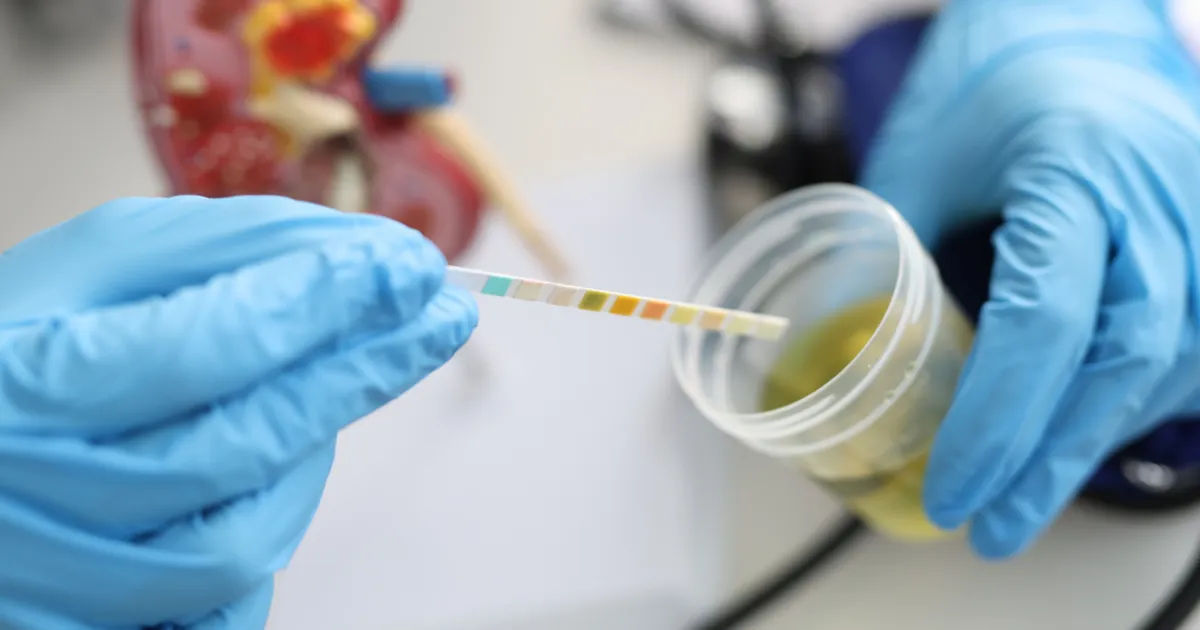
Normally, urine contains very little or no protein because healthy kidneys filter waste while keeping essential nutrients like protein in the blood, including can you freeze urine for a drug test. When protein shows up in urine, it often signals that the kidneys are under stress or not functioning properly. In some cases, it can also be temporary and harmless.
Protein in Urine
What Is Protein and Why It Matters
Protein is an essential nutrient in your body. It helps build muscles, repair tissues, and support immune function. In the bloodstream, proteins like albumin play a key role in maintaining fluid balance.
Healthy kidneys act like filters:
- They allow waste and excess water to pass into urine
- They keep important substances like protein in the blood
When this filtering system is damaged, protein can leak into urine.
What a Urine Test Checks For
A routine urine test (urinalysis) can detect:
- Protein levels
- Glucose (sugar)
- Red and white blood cells
- Signs of infection
- pH balance
If protein is found, doctors may order further testing to understand the cause.
Types of Proteinuria
Temporary (Benign) Proteinuria
This is usually harmless and goes away on its own. It can happen due to:
- Fever
- Intense exercise
- Stress
- Dehydration
- Cold exposure
In these cases, protein appears briefly and does not indicate kidney disease.
Persistent Proteinuria
This type continues over time and may indicate a health problem. It usually requires medical evaluation.
Persistent protein in urine may signal:
- Kidney disease
- Diabetes complications
- High blood pressure damage
- Inflammation in kidneys
Causes of Protein in Urine
1. Kidney-Related Diseases
The most common cause is kidney dysfunction. Conditions include:
- Glomerulonephritis (inflammation of kidney filters)
- Chronic kidney disease
- Nephrotic syndrome
When kidney filters are damaged, they allow protein to pass into urine.
2. Diabetes
Diabetes is a major risk factor. High blood sugar over time can damage kidney blood vessels, leading to:
- Leaky filtration system
- Increased protein loss in urine
This condition is called diabetic nephropathy.
3. High Blood Pressure
Uncontrolled hypertension puts pressure on kidney vessels. Over time, this pressure damages filtering units and leads to protein leakage.
4. Infections
Urinary tract infections (UTIs) or kidney infections can temporarily increase protein levels. Symptoms may include:
- Burning sensation during urination
- Frequent urination
- Cloudy urine
5. Physical Stress on the Body
Heavy exercise, especially endurance training, can temporarily increase protein in urine. This usually resolves within 24–48 hours.
6. Dehydration
When the body lacks enough fluids, urine becomes concentrated. This can make protein levels appear higher than normal.
7. Pregnancy
Some pregnant women may develop protein in urine due to conditions like preeclampsia. This requires medical attention because it can affect both mother and baby.
Symptoms That May Accompany Proteinuria
Protein in urine itself does not always cause symptoms. However, when it is linked to kidney disease, symptoms may include:
- Swelling in hands, feet, or face
- Foamy urine
- Fatigue
- Loss of appetite
- Frequent urination
How Protein in Urine Is Diagnosed
Urinalysis
A simple urine test is used first. It checks:
- Protein levels
- Other chemical markers
- Signs of infection or disease
24-Hour Urine Test
This test measures how much protein is lost in urine over an entire day. It gives a more accurate picture than a single sample.
Blood Tests
Doctors may also check:
- Kidney function (creatinine levels)
- Blood sugar levels
- Cholesterol
Imaging Tests
In some cases, ultrasound or CT scans are used to examine kidney structure.
Is Protein in Urine Dangerous?
Not always. The seriousness depends on the cause.
Mild Cases
- Temporary
- No lasting damage
- Often resolves on its own
Serious Cases
- Indicates kidney disease
- May require long-term treatment
- Can progress if untreated
Treatment Options for Protein in Urine
Treating the Underlying Cause
The main approach is to manage the root condition:
- Diabetes control through diet, medication, and insulin
- Blood pressure management
- Antibiotics for infections
Lifestyle Changes
Doctors often recommend:
- Reducing salt intake
- Eating a balanced diet
- Staying hydrated
- Exercising regularly (moderately)
- Avoiding excessive protein supplements unless advised
Medications
Depending on the condition, doctors may prescribe:
- Blood pressure medications (ACE inhibitors or ARBs)
- Diabetes medications
- Anti-inflammatory drugs (in some kidney conditions)
When to See a Doctor
You should seek medical advice if:
- Protein is repeatedly found in urine tests
- You notice swelling in your body
- Urine becomes consistently foamy
- You have diabetes or high blood pressure
Early detection is important because kidney damage can often be slowed or prevented.
Preventing Protein in Urine
While not all causes are preventable, you can reduce risk by:
- Controlling blood sugar levels
- Maintaining healthy blood pressure
- Drinking enough water
- Avoiding excessive strain during workouts
- Eating a kidney-friendly diet
Key Takeaway
Protein in urine is a warning sign, not a disease itself. It tells doctors that something may be affecting the kidneys or overall body balance. In many cases, it is temporary and harmless, but persistent proteinuria should always be checked.
Early diagnosis and treatment are important to protect kidney health and prevent long-term complications.
Conclusion
Protein found in a urine test can range from a harmless temporary condition to an early sign of kidney disease. The kidneys play a vital role in filtering waste while keeping important proteins in the blood. When this system is disrupted, protein may leak into urine.
Understanding the causes—such as diabetes, high blood pressure, infections, or physical stress—helps in early detection and treatment. With proper medical care and healthy lifestyle choices, many cases can be managed effectively, and serious complications can often be prevented.
Regular urine testing is a simple but powerful tool for monitoring kidney health and overall well-being.