
A leather jacket can become stiff for many reasons, including age, improper storage, cold temperatures, or simply being made from a firm type of leather. Learning how to soften it safely can make the jacket more comfortable without damaging its natural texture. Whether you own a vintage piece or a modern jacket from the Pelle Pelle Store, the key is to use gentle methods and avoid excessive moisture, heat, or harsh chemicals.
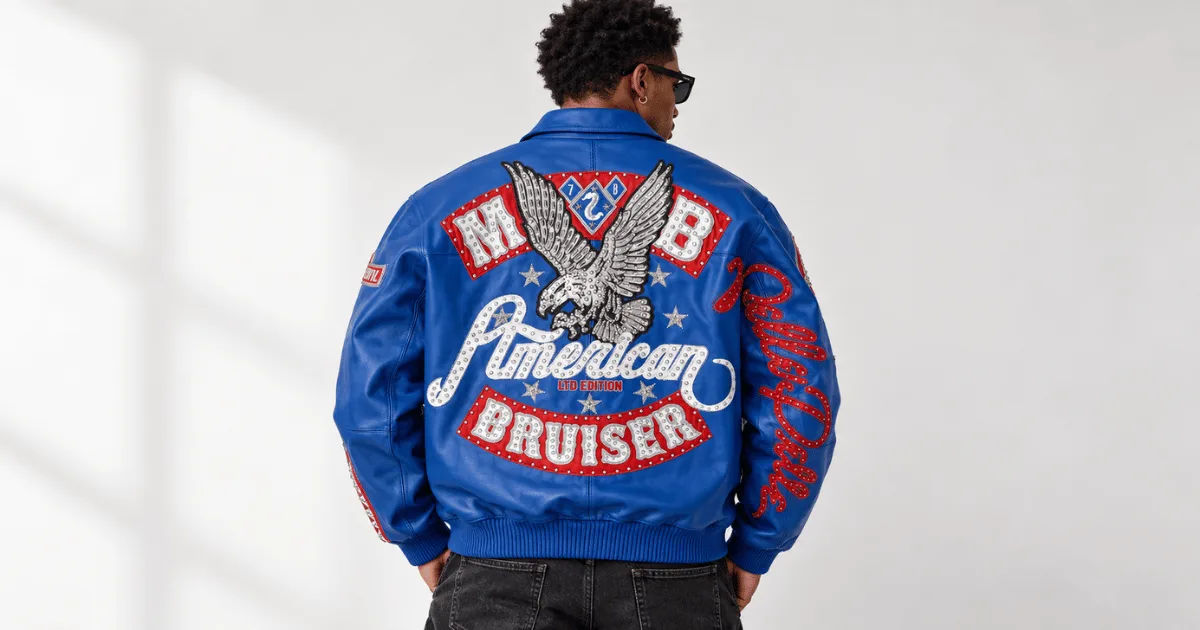
Leather is a natural material, so it needs careful treatment. Unlike ordinary fabric, it cannot simply be soaked, heated, or washed aggressively. The wrong technique can cause cracking, discoloration, shrinkage, or permanent changes to the leather.
Fortunately, there are several safe ways to make a stiff leather jacket more flexible. With patience and the right products, you can improve its softness while protecting its appearance and durability.
Why Does Leather Become Stiff?
Understanding why leather becomes hard is the first step toward treating it correctly. Leather contains natural oils and conditioners that help maintain flexibility. Over time, these oils can decrease.
Dry environments can accelerate this process. If a jacket is stored near a heater, radiator, or in direct sunlight, the leather may lose moisture and become noticeably harder.
Long periods of storage can also contribute to stiffness. A jacket that has remained folded inside a closet for months may feel rigid when you first take it out.
Some types of leather are naturally firmer than others. Full-grain leather, for example, can initially feel relatively stiff because it retains much of its natural structure.
A well-made jacket from the Pelle Pelle Store may become more comfortable with regular wear because natural movement helps loosen the leather fibers gradually.
Can All Leather Jackets Be Softened?
Most genuine leather jackets can become more flexible with proper care, but the results depend on the leather type and its condition.
Smooth leather generally responds well to appropriate leather conditioners. Suede and nubuck require different products because their surfaces are textured and can easily be damaged by ordinary leather creams or oils.
Synthetic leather is another consideration. Faux leather does not respond to conditioning in exactly the same way as genuine leather. Some products designed for natural leather may damage synthetic finishes.
Before applying anything, check the manufacturer's care instructions. If your jacket came from the Pelle Pelle Store, reviewing its specific material and care recommendations is a good starting point.
Let the Jacket Warm Naturally
One of the safest first steps is surprisingly simple: allow the jacket to warm naturally.
If leather has been exposed to cold temperatures, it can feel particularly stiff. Bring it indoors and hang it in a room with a comfortable temperature.
Use a wide, padded hanger to support the shoulders. Leave the jacket hanging naturally for several hours.
Do not place it directly beside a radiator or heater. Artificial heat can remove natural oils from leather and may cause the surface to dry, shrink, or crack.
A jacket from the Pelle Pelle Store should be given enough time to adjust to room temperature before you begin applying any conditioning product.
Wear the Jacket Regularly
Regular wear is one of the gentlest ways to soften leather.
As you move your arms, shoulders, and body, the leather naturally bends. This repeated movement gradually helps make stiff areas more flexible.
Start by wearing the jacket for short periods. You do not need to force the material to bend aggressively.
Avoid deliberately twisting, rolling, or crushing the jacket. These actions can create unwanted creases or damage the surface.
Over time, natural movement can give a leather jacket a comfortable, broken-in feel without requiring aggressive treatment.
This is especially useful for a structured jacket from the Pelle Pelle Store, where maintaining the original shape and finish may be important.
Use a Leather Conditioner
A quality leather conditioner is one of the most effective ways to soften genuine leather.
Leather conditioners contain ingredients designed to replenish some of the oils and conditioning agents that leather can lose over time.
However, more conditioner does not mean better results. Applying too much can leave the jacket greasy, darken the leather, or affect its finish.
Choose a conditioner specifically formulated for your type of leather. Avoid household oils unless the manufacturer specifically recommends them.
Test the Conditioner First
Always test a small amount before treating the entire jacket.
Choose an inconspicuous area, such as an inside section or another hidden location. Apply a small amount according to the product instructions.
Wait and observe the area after it dries. Check whether the color, texture, or finish has changed.
If everything looks normal, you can continue with the rest of the jacket.
This precaution is particularly important when caring for an expensive jacket purchased from the Pelle Pelle Store.
Apply a Thin Layer
Clean the jacket gently before conditioning it if the manufacturer's instructions allow cleaning.
Use a soft, clean cloth and apply a small amount of conditioner. Work it into the leather using gentle circular movements.
Do not saturate the material. The goal is to lightly condition the surface rather than make it wet.
Pay attention to areas that commonly become stiff, such as elbows, sleeves, and shoulders.
Allow the conditioner to absorb naturally. If the product instructions recommend wiping away excess conditioner, use a clean cloth.
Give the Leather Time to Absorb the Conditioner
Patience is important when softening leather.
After applying conditioner, place the jacket on a suitable hanger and leave it in a cool, well-ventilated room.
Do not immediately apply another layer because the leather still feels stiff. Give the conditioner enough time to penetrate and work.
Depending on the product and leather, this may take several hours or longer.
Once the jacket has rested, gently flex it with your hands. If it feels more flexible, the treatment has worked.
If necessary, a second light application may be appropriate, but excessive conditioning should be avoided.
Gently Massage Stiff Areas
You can also manually work stiff sections of a leather jacket.
With clean hands, gently bend areas such as the sleeves and elbows. Use slow movements rather than force.
For example, you can carefully flex a sleeve back and forth several times. Stop if you notice unusual resistance, cracking sounds, or changes in the surface.
This method works best when combined with appropriate conditioning.
The goal is to encourage flexibility gradually rather than force the leather into a new shape.
Avoid Water as a Softening Method
Water is one of the most common things people consider when trying to soften leather, but deliberately soaking a leather jacket is risky.
Excess water can cause stains, uneven drying, shrinkage, and changes in texture. Some types of leather can also become extremely stiff after drying incorrectly.
If the jacket accidentally becomes wet, gently remove excess moisture with a clean cloth.
Allow it to dry naturally at room temperature. Keep it away from direct heat.
Never use a hair dryer on a wet leather jacket simply to speed up the drying process.
A high-quality jacket from the Pelle Pelle Store deserves careful handling, especially if its leather has decorative finishes, embroidery, or special surface treatments.
Never Use Direct Heat
Heat may appear to be a quick solution for stiff leather, but it can create more problems than it solves.
Hair dryers, radiators, heating vents, and clothes dryers can remove moisture and oils from leather.
Excessive heat may also cause the material to shrink or become brittle.
Instead of using heat, allow the jacket to soften naturally at room temperature.
If the jacket needs conditioning, use a suitable leather-care product rather than relying on heat.
Avoid Household Oils
Olive oil, coconut oil, petroleum products, and other household substances are sometimes suggested as leather softeners.
These products can produce unpredictable results.
Some oils can darken leather permanently. Others may leave an oily residue or interfere with the original finish.
Certain oils can also attract dirt or cause the leather to deteriorate over time.
A product specifically formulated for leather is generally a safer choice.
This matters when maintaining a distinctive jacket from the Pelle Pelle Store, because preserving its original appearance can be just as important as making it softer.
Be Careful With Suede and Nubuck
Not every leather jacket should be treated with a standard leather conditioner.
Suede and nubuck have different surface characteristics. Their soft, textured finish requires specialized care.
Using a traditional leather cream can flatten the texture, cause staining, or leave an unwanted appearance.
For these materials, use products specifically labeled for suede or nubuck.
A suede brush can help maintain the surface, but aggressive brushing should be avoided.
When you are uncertain about the material, check the care label before applying any product.
How Often Should You Condition a Leather Jacket?
There is no universal schedule for conditioning leather.
A jacket worn frequently in a dry environment may need attention more often than one stored in a moderate environment.
Over-conditioning can be just as problematic as allowing leather to become extremely dry.
A practical approach is to inspect the jacket periodically. Look for signs such as dryness, reduced flexibility, or a dull surface.
If the leather appears healthy and flexible, additional conditioner may not be necessary.
For a Pelle Pelle Store jacket, following the manufacturer's recommendations should take priority over a generic conditioning schedule.
How to Soften a Vintage Leather Jacket
Vintage leather jackets require additional care because their condition can vary significantly.
Older leather may have weakened fibers, surface cracks, faded finishes, or previous repairs.
Before applying conditioner, inspect the jacket carefully.
Look for cracking, peeling, severe dryness, loose stitching, or damaged panels. If the leather appears fragile, avoid aggressive bending.
A professional leather specialist may be the safest choice for valuable vintage pieces.
Do not assume that a vintage jacket can tolerate the same treatment as a newer jacket from the Pelle Pelle Store.
How Long Does It Take to Soften Leather?
The time required depends on the leather, its condition, and the method used.
Natural wearing may take several weeks to produce a noticeable change.
A suitable conditioner may improve flexibility sooner, sometimes after one or two applications.
However, leather should not be rushed. Trying to soften it dramatically in a single day can result in permanent damage.
Gradual improvement is usually safer than aggressive treatment.
Think of leather as a material that becomes comfortable through controlled care and repeated natural movement.
Common Mistakes to Avoid
One major mistake is using too much conditioner. A thick coating does not necessarily make leather softer and can create a greasy finish.
Another mistake is soaking the jacket in water. Water can create serious problems when leather is not dried and treated correctly.
Using direct heat is also risky. High temperatures can dry the leather and damage its structure.
People sometimes bend a jacket too aggressively in an attempt to break it in quickly. This can create deep creases or damage weak areas.
Finally, using an unsuitable product can change the jacket's color or finish.
Before treating a premium jacket from the Pelle Pelle Store, always identify the leather type and follow the manufacturer's care instructions.
When Should You Contact a Professional?
Professional leather care is worth considering when a jacket is expensive, vintage, heavily damaged, or made from a specialized material.
A professional can assess the leather and determine whether conditioning, restoration, cleaning, or another treatment is appropriate.
Professional assistance is particularly useful when the jacket has deep cracks, peeling, severe discoloration, mold, or structural damage.
Trying to repair major damage at home can sometimes make the problem worse.
If you have invested in a high-quality jacket from the Pelle Pelle Store, professional care may help protect that investment.
Safe Leather-Softening Routine
A simple routine can make the process easier.
Start by checking the jacket's care label and identifying the type of leather. Remove surface dust gently with an appropriate cloth.
Hang the jacket on a broad hanger and allow it to reach room temperature naturally.
Next, test a suitable conditioner on a hidden area. If there is no unwanted color or texture change, apply a very thin layer to the appropriate areas.
Let the jacket rest according to the conditioner manufacturer's instructions.
Afterward, gently flex the sleeves, elbows, and other stiff areas.
Wear the jacket regularly so natural movement can continue the softening process.
Repeat conditioning only when the leather actually needs it.
Keeping Leather Soft
Softening leather is only part of proper leather care. Preventing excessive dryness is equally important.
Store the jacket in a cool, dry place away from direct sunlight. Use a suitable hanger rather than a thin wire hanger that can distort the shoulders.
Avoid storing leather inside an airtight plastic bag for long periods. Leather benefits from appropriate ventilation.
Keep the jacket away from strong heat sources and unnecessary moisture.
Regularly inspect the surface for dryness, stains, or early signs of damage.
When cared for correctly, a leather jacket can become more comfortable while retaining its original character.
Conclusion
Softening a leather jacket safely requires patience, the correct products, and a gentle approach. The safest methods generally involve allowing the jacket to warm naturally, wearing it regularly, gently flexing stiff areas, and using a conditioner designed specifically for its leather type.
Water, direct heat, household oils, and aggressive bending should generally be avoided because they can cause more damage than improvement. Every leather jacket is different, so the material, finish, age, and manufacturer's care instructions should always be considered before beginning treatment.
A jacket from the Pelle Pelle Store can benefit from careful maintenance that preserves both comfort and appearance. Rather than trying to make the leather soft as quickly as possible, focus on gradual improvement. Give the material time to absorb appropriate conditioning products and allow regular wear to naturally loosen the fibers.
For suede, nubuck, vintage leather, or severely damaged jackets, specialized care may be safer than experimenting with home remedies. When in doubt, professional leather care can help prevent an expensive mistake.
Ultimately, the best approach is simple: identify the leather, test products first, use small amounts of suitable conditioner, avoid extreme heat and moisture, and let the jacket soften naturally. With consistent care, stiff leather can become more flexible and comfortable without sacrificing its durability, structure, or distinctive appearance.