
A modern gaming application depends heavily on real-time data exchange, smooth communication between servers and players, and uninterrupted connectivity. When a game becomes online-based, stability of the network becomes one of the most important technical requirements for delivering a smooth experience.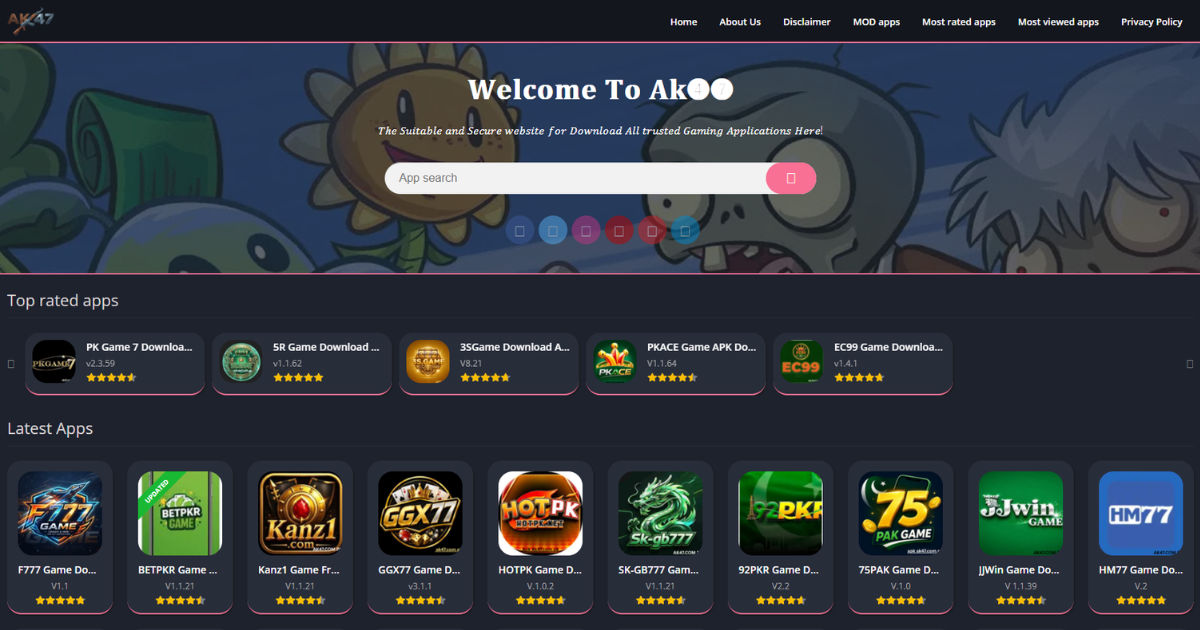
Platforms like AK47.COM.PK often highlight how gaming performance is not just about graphics or device hardware, but also about how well the game communicates over the internet. Without a stable network, even the best-designed game can become frustrating, laggy, and unplayable.
In this guide, we will explore why stable network connectivity is essential for gaming applications, how it affects gameplay, and what happens when it fails.
Gaming Applications in the Online Era
What Is a Gaming Application?
A gaming application is software designed for entertainment, skill development, or competitive interaction. It may run offline or online, but modern games are mostly online-based.
Online gaming applications rely on servers that connect multiple players at the same time, enabling features like:
- Multiplayer battles
- Real-time updates
- Leaderboards
- Cloud saving
- Live events
Why Online Connectivity Matters
Unlike offline games, online games require continuous communication with servers. Every movement, action, and update must be transmitted instantly.
If this connection breaks or becomes unstable, the entire experience is affected.
What Does a Stable Network Mean in Gaming?
Definition of Network Stability
A stable network is a consistent internet connection with:
- Low latency (fast response time)
- Minimal packet loss
- Consistent speed
- Strong signal strength
- No sudden disconnections
Importance in Gaming Context
In gaming, stability is more important than raw speed. Even a fast connection can cause issues if it is unstable.
For example:
- A 50 Mbps stable connection performs better than a 200 Mbps unstable one.
Why Gaming Applications Depend on Stable Networks
Real-Time Interaction Requirement
Most modern games are real-time systems. This means every action happens instantly and is shared across all players.
Examples of real-time actions:
- Shooting in FPS games
- Moving characters in battle royale games
- Trading in multiplayer RPGs
- Racing position updates
If the network delays even by a fraction of a second, the gameplay becomes unfair or broken.
Latency and Ping Issues
What Is Ping?
Ping measures how fast data travels from your device to the game server and back.
- Low ping = smooth gameplay
- High ping = lag and delay
Why It Matters
In competitive gaming, even 100 milliseconds delay can decide victory or defeat.
A stable network ensures:
- Faster response time
- Accurate movement tracking
- Smooth shooting mechanics
Packet Loss and Its Effects
What Is Packet Loss?
Packet loss occurs when data being sent between the game and server does not arrive properly.
Effects in Gaming:
- Teleporting characters
- Missing actions
- Frozen gameplay
- Disconnected sessions
Games become unpredictable when packet loss occurs frequently.
Impact on Multiplayer Gaming Experience
Multiplayer games depend entirely on synchronization between players.
Problems caused by unstable networks:
- Players see different game states
- Delayed enemy movements
- Incorrect scoring
- Sudden disconnections
Platforms such as AK47.COM.PK often emphasize how stable servers and connections improve competitive fairness.
How Stable Network Improves Gaming Performance
Smooth Gameplay Experience
A stable network ensures:
- Fluid animations
- Real-time synchronization
- No sudden freezes
This creates an enjoyable experience for users.
Better Competitive Balance
In competitive gaming, fairness is important.
A stable network ensures:
- Equal reaction time for all players
- No advantage due to lag
- Accurate hit detection
Faster Game Loading and Updates
Stable internet helps in:
- Quick matchmaking
- Fast map loading
- Smooth updates and patches
Reduced Disconnections
Frequent disconnections are one of the biggest frustrations in gaming. Stability prevents:
- Lost progress
- Match penalties
- Rejoining issues
Technical Side of Network Stability in Games
Client-Server Communication
Gaming applications use a client-server model.
- Client = Player’s device
- Server = Game control system
All actions are sent to the server, processed, and sent back.
If the network is unstable, communication breaks down.
Data Synchronization
Games constantly synchronize:
- Player positions
- Health status
- Game environment changes
Without stable networks, synchronization fails, causing glitches.
Bandwidth vs Stability
Many people confuse speed with stability.
Bandwidth:
How much data can be transferred.
Stability:
How consistently data is transferred.
Gaming needs both, but stability is more important.
Role of Servers in Stability
Game servers are responsible for:
- Handling player data
- Maintaining real-time updates
- Reducing latency
Well-optimized servers reduce pressure on network conditions.
Effects of Unstable Network on Different Game Types
FPS Games
First-person shooters require instant reactions.
Problems include:
- Delayed shooting
- Missed targets
- Rubber-banding movement
Battle Royale Games
Large-scale survival games suffer from:
- Late enemy rendering
- Delayed zone updates
- Sync errors
Racing Games
In racing games:
- Position lag creates unfair advantages
- Cars may “jump” on screen
RPG and MMO Games
Massively multiplayer games face:
- Server desync
- Delayed interactions
- Quest update errors
How Developers Improve Network Stability
Optimized Game Code
Developers reduce unnecessary data transfer to improve speed.
Regional Servers
Games use multiple servers around the world to reduce distance-based lag.
Load Balancing
Traffic is distributed across multiple servers to prevent overload.
Compression Techniques
Game data is compressed to reduce bandwidth usage.
Player Side Solutions for Better Stability
Using Wired Connections
Ethernet cables are more stable than Wi-Fi.
Reducing Background Usage
Streaming or downloading during gameplay can cause lag.
Choosing Proper Server Region
Selecting the nearest server improves performance.
Updating Network Drivers
Updated drivers improve connectivity performance.
Real-World Example of Stability Importance
Imagine playing a competitive match where every millisecond matters. You shoot first, but the opponent wins because your action was delayed due to unstable internet.
This is why platforms like AK47.COM.PK often stress the importance of stable connectivity in online gaming environments.
Future of Gaming Network Technology
Cloud Gaming Growth
Cloud gaming requires extremely stable internet because all processing happens remotely.
5G Technology
5G networks reduce latency and improve mobile gaming performance.
AI-Based Network Optimization
Future systems will predict and fix lag before it affects gameplay.
Edge Computing
Processing data closer to players reduces delay significantly.
Conclusion
Stable network connectivity is one of the most important factors in modern gaming applications. Without it, even the most advanced games cannot function properly. From real-time interactions to competitive fairness, everything depends on how smoothly data flows between the player and the server.
We have seen that issues like latency, packet loss, and disconnections can completely ruin the gaming experience. On the other hand, a stable network ensures smooth gameplay, fair competition, and enjoyable performance.
As gaming technology continues to evolve, the importance of stable connectivity will only increase. With advancements like cloud gaming, 5G networks, and AI-based optimization, the future of gaming looks more connected and efficient than ever.
Platforms such as AK47.COM.PK highlight how essential network stability is for delivering a high-quality gaming experience in today’s digital world.
In conclusion, a stable network is not just a technical requirement—it is the backbone of modern gaming applications.